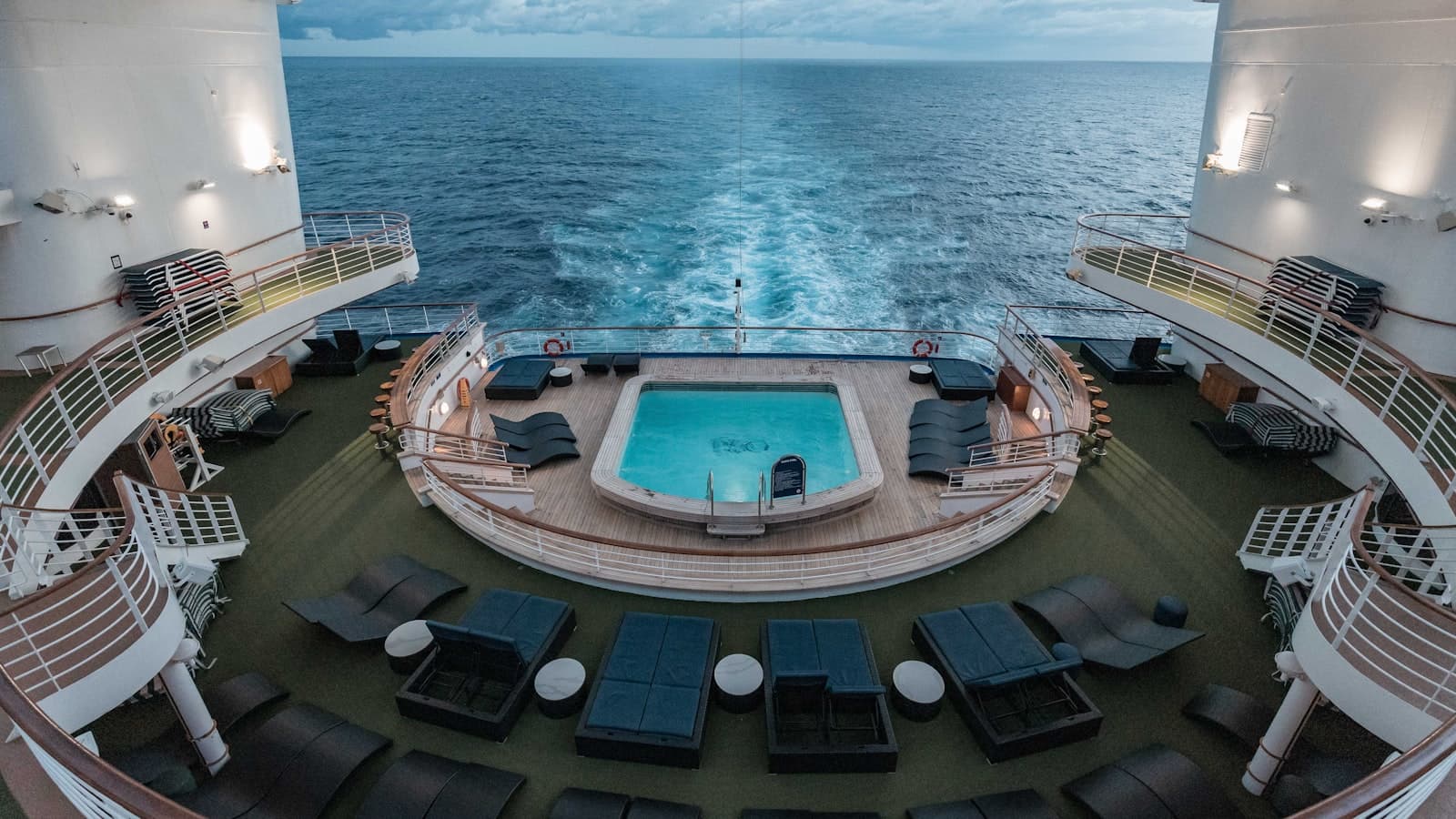
Cruising with Autism or Sensory Needs: Plan for the Individual
Plan a cruise for an autistic or sensory-sensitive traveler with practical advice on ships, cabins, youth programs, dining, embarkation, ports, and accommodations.
A cruise can offer a reassuring rhythm: the same cabin each night, familiar routes through the ship, and a daily schedule that makes choices visible. It can also bring crowds, announcements, unfamiliar food, bright venues, and abrupt changes. There is no universally “autism-friendly” cruise. A good plan begins with the traveler’s communication, sensory profile, routines, interests, and support needs.
Match the Ship to Sensory Priorities
Large ships offer more activities and alternate venues, but they can involve long corridors, busy elevators, and crowded central spaces. Smaller ships may be easier to navigate yet provide fewer quiet alternatives. Consider noise, lighting, passenger capacity, outdoor access, dining style, and how many tender ports the itinerary includes.
Some cruise lines advertise sensory training, kits, quiet spaces, priority assistance, or autism-related programming. Availability and procedures can differ by ship and sailing. Ask what exists on the exact departure, whether it must be requested, what it costs, and what the service does—and does not—include.
Request Support Before the Deadline
Contact the line’s accessibility team early and describe functional needs rather than providing only a diagnosis. Examples might include difficulty waiting in a crowded line, a need for a visual explanation before a safety drill, sensitivity to alarms, or support communicating in the youth program. Use the official form and retain the response.
Accommodations are individualized, subject to safety requirements, and not guaranteed exactly as requested. The ship does not normally provide one-to-one personal care or supervision. Ask who will be the onboard point of contact and confirm the plan after boarding.
Choose a Lower-Stimulation Cabin
Study the deck plan and avoid rooms near elevators, crew doors, theaters, nightclubs, pool decks, and service areas if noise is a trigger. A cabin between other cabin decks is often more predictable. A balcony can provide private outdoor decompression for a traveler who can use it safely; an interior room may better control light.
Bring familiar sleepwear, comfort objects, headphones or ear defenders, sunglasses, a dim night-light, and permitted sensory tools. Check policies for weighted blankets, power strips, white-noise devices, and other equipment before packing. Magnetic signs or symbols may help identify the cabin, provided the line permits them and they do not damage the door.
Preview the Experience
Use ship maps, official videos, photos, and a simple social narrative to introduce check-in, security, the gangway, cabin, dining room, safety drill, and ports. Explain that plans can change because of weather or ship operations. A paper schedule remains useful if the app feels overwhelming.
Embarkation is often the most intense period. Keep medication, snacks, communication supports, headphones, and a change of clothes in hand luggage. Ask whether the port and cruise line offer an assistance process, but prepare for some waiting even when support has been arranged.
Approach Youth Programs Carefully
Review age bands, toilet-use rules, sign-in procedures, staff ratios, communication methods, and whether staff can assist with personal care. Most youth programs are group activities, not therapeutic services or one-to-one respite. Share concise information about communication, elopement risk, triggers, calming strategies, and allergies.
Visit the space together during an open house if offered. Start with a short session and remain reachable. A child who does not use the club can still have a successful cruise; build a parallel plan around pools or water areas they are eligible to use, deck walks, movies, room breaks, and quieter activities.
Create Predictable Meals
Flexible dining reduces time pressure, while assigned dining can provide the same table and serving team. The right choice depends on the traveler. Ask about quieter seating, early times, familiar foods, and the process for dietary restrictions. Buffets offer visual choice but can be noisy and crowded.
Bring permitted shelf-stable preferred snacks, because brands and recipes aboard may be unfamiliar. Food brought from home and food taken ashore are controlled by cruise-line and destination rules.
Build a Decompression and Safety Plan
Schedule recovery time before it is needed. Identify quiet spaces during the first ship walk and note when busy venues are calmer. Avoid stacking a long excursion, formal dinner, and show on the same day unless that pattern suits the traveler.
For someone at risk of wandering, use identification appropriate to the individual and establish who is supervising at each moment. Cabin doors and balcony access require particular attention. Never rely on crew members or the ship’s contained layout as a substitute for an agreed family safety plan.
Keep Port Days Flexible
Research transportation, crowds, heat, bathrooms, food, walking distance, and escape routes. A private guide or short independent outing may permit more control, while a cruise-line tour can simplify logistics. Tender boats add waiting, motion, noise, and uncertain timing. Staying aboard is a valid choice.
Prepare a plan B and communicate changes simply. The goal is not to complete every advertised highlight; it is to create a trip with enough predictability, recovery, and choice for this traveler.
Ben’s Travel can help compare ships and itineraries through a sensory lens, document requested accommodations, and plan cabins and port days around the individual—without promising support a cruise line has not confirmed.