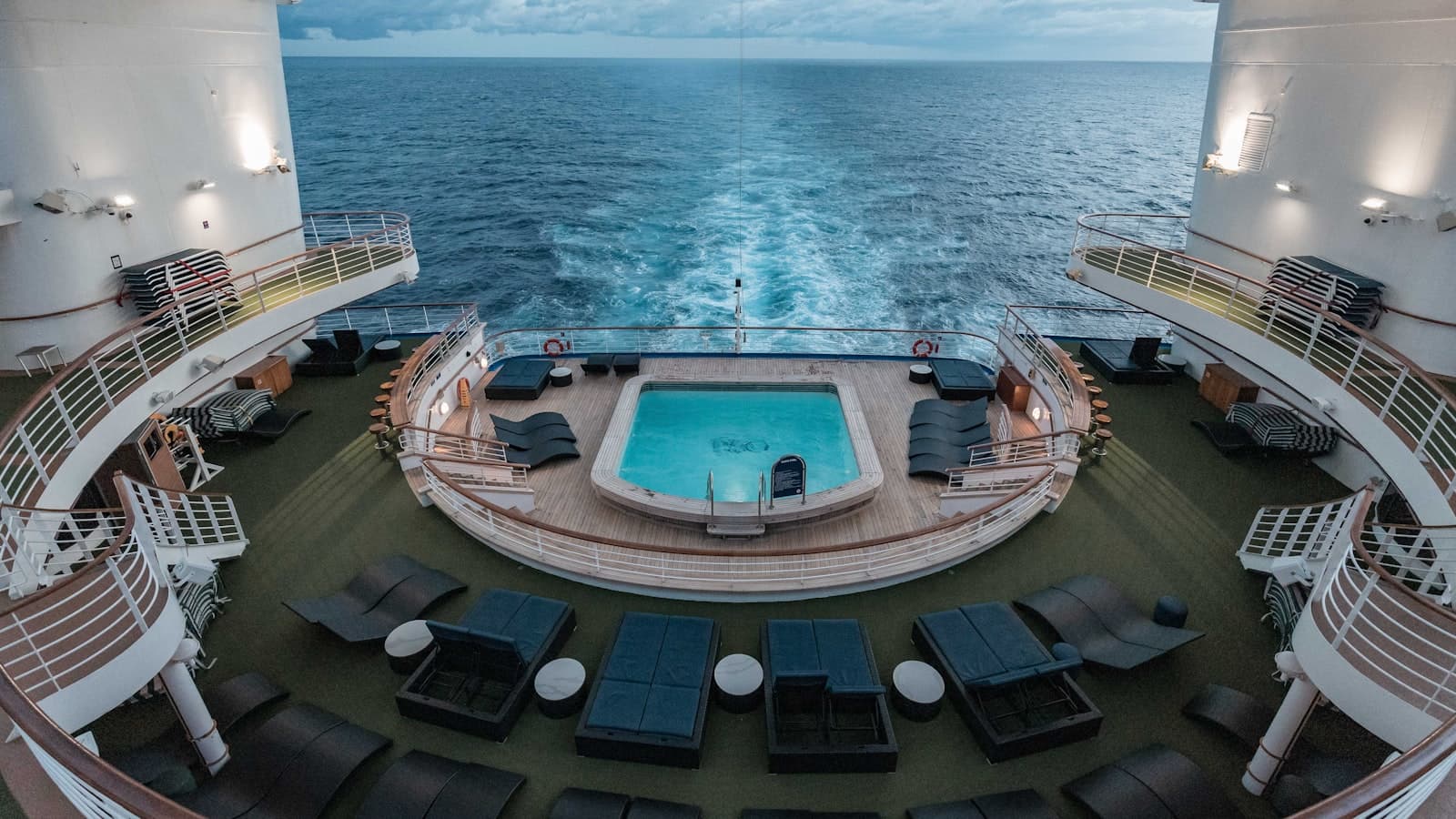
Group Cruises for Reunions, Weddings, and Celebrations
Plan a group cruise for a reunion, wedding, birthday, or celebration with practical advice on contracts, cabins, payments, dining, events, and guest communication.
A cruise gives a group a shared destination without requiring everyone to share every minute. Guests can choose their own activities and budget, then gather for selected meals and events. That built-in flexibility is ideal for reunions, milestone birthdays, weddings, and friend trips—but only when the booking structure is established before people start reserving cabins.
Define the Group Before Choosing a Ship
Estimate the likely cabin count, departure cities, ages, mobility needs, room types, and budget range. Separate definite travelers from interested ones. A ship that delights an adult birthday group may be wrong for a reunion with toddlers and grandparents, while a destination wedding requires different legal and event planning than an anniversary trip.
Choose two or three non-negotiables, such as a convenient homeport, school-holiday dates, accessible cabins, or a particular ceremony style. Trying to satisfy every preference usually produces an expensive itinerary that suits no one particularly well.
Understand What “Group” Means
Cruise lines define groups by a minimum number of qualifying cabins or guests, not simply by everyone knowing one another. Terms may include held inventory, a deposit schedule, an unsold-space release date, and possible amenities. The threshold, benefits, eligible fare types, and combinability with public promotions vary by line, sailing, and contract.
A group rate is not automatically the lowest rate at every moment. Public promotions can change, while group space may offer price stability or useful amenities. Compare like for like, including cabin category, deposit conditions, cancellation terms, and included extras. Never promise onboard credit or a “free berth” until the cruise line has confirmed the contract and qualification rules in writing.
Use One Booking Channel
Give every guest one point of contact and a group identifier. Travelers can make their own payments and discuss private details without turning the organizer into a collection agency. Reservations made elsewhere may not be transferable into the group, or may have a limited transfer window, so the process should be clear in the first invitation.
Keep a simple timeline for deposits, final payment, names, dining requests, accessibility forms, event choices, and travel documents. Share deadlines earlier than the cruise line’s deadline to leave room for corrections. Each cabin should receive and accept its own fare and cancellation terms.
Hold the Right Mix of Cabins
Do not assume everyone wants the same category. A useful block may include interiors for value, balconies for those who prioritize private space, and a small number of accessible or family configurations where available. Connecting and accessible cabins are limited and should be identified early.
Cabins near one another can be convenient, but an entire hallway is rarely guaranteed. Inventory changes until booked, and guarantee categories can be assigned anywhere within their terms. Focus first on each household’s functional needs, then proximity.
Plan a Few Anchor Moments
Groups benefit from structure, not a compulsory schedule. A welcome gathering, one group dinner, a photo, and perhaps one shared excursion may be enough. Leave open time for naps, spa appointments, youth programs, and different port interests.
Linking reservations does not necessarily create one table. Dining capacity, table sizes, seating style, and restaurant reservations vary, especially for large groups. Submit requests early and treat them as requests until confirmed. Private cocktail hours, meeting rooms, cakes, decorations, audiovisual equipment, and specialty dining may involve event contracts, fees, or restrictions.
Treat Weddings as Their Own Project
Decide whether the ceremony is legally binding or symbolic, onboard or ashore, and in port or at sea. Marriage-license rules depend on jurisdiction, residency, timing, and the ceremony location. Cruise-line wedding programs and third-party planners offer different packages, and port calls can change because of weather or operations.
Build a backup plan, especially for an outdoor or port-day ceremony. Confirm which vendors, décor, flowers, food, photography, and music may be brought aboard. Guests who are not sailing may face security restrictions or may not be permitted onboard. No couple should assume the ship’s captain can legally marry them without verifying the specific arrangement.
Communicate Cost and Expectations Clearly
Send a concise information sheet showing what the fare includes, likely extras, document requirements, payment milestones, dress expectations, and which events are optional. Be explicit about whether the host is paying for anything. Encourage guests to arrange transportation and insurance based on their own risk and circumstances.
A group chat is helpful for excitement, but important changes belong in a direct email or central page. Protect privacy: medical needs, payment status, and cabin details should not circulate through the group.
Prepare for Changes
People cancel, prices move, and itineraries can change. Avoid ordering personalized items too early, make event commitments with the contract terms in view, and designate one or two decision-makers. A calm process matters more than getting every detail perfect.
Ben’s Travel can set up and manage the cruise portion of your reunion, wedding, or celebration—from group terms and cabin planning to payment timelines and shared dining requests—while each guest receives individual booking support.